
Palm Beach Metabolic Care

Resources

Managing Side Effects

Practical guidance for common treatment side effects.

Managing Side Effects

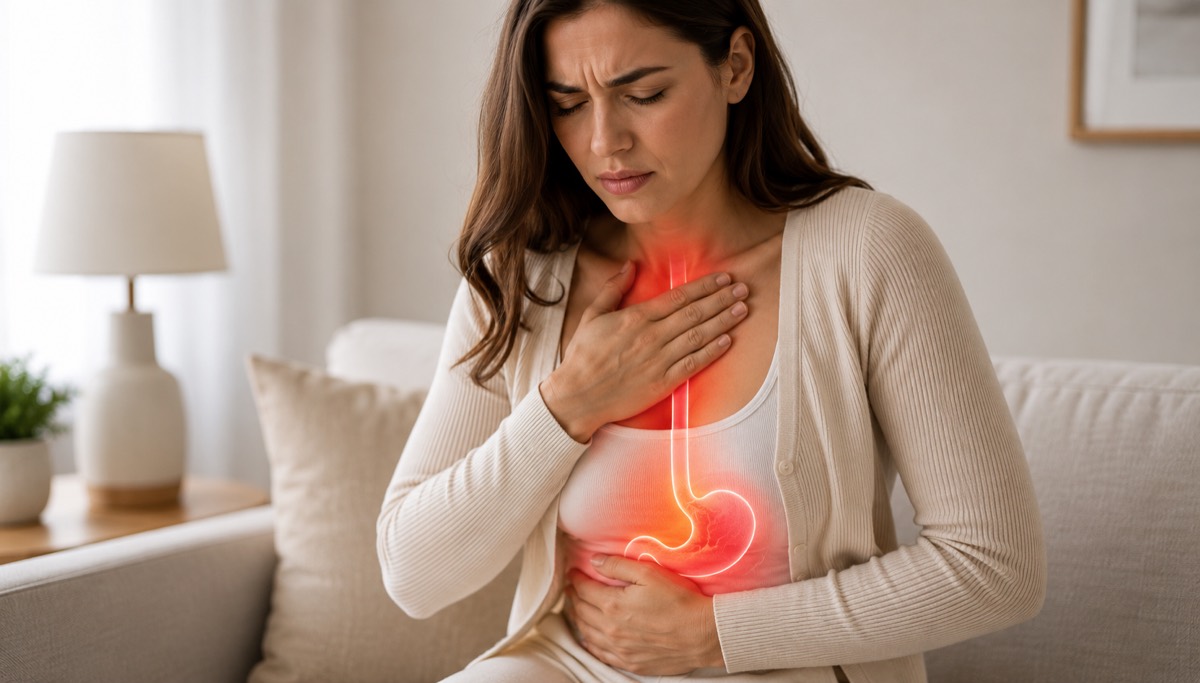
Managing Reflux and Heartburn

Reflux and heartburn can occur during GLP-1 therapy because these medications slow stomach emptying and increase feelings of fullness. When food remains in the stomach longer, some individuals may experience burning in the chest, acid reflux, burping, or a sensation of food sitting in the stomach. Fortunately, many cases improve with meal timing, portion control, food selection, and simple lifestyle adjustments.

9 min readGuideClinically reviewed

Managing Side Effects

Managing Constipation on GLP-1 Medications

Constipation is one of the most common digestive challenges reported during GLP-1 therapy. In most cases, it develops because digestion slows, food intake decreases, hydration becomes inadequate, fiber intake drops, or activity levels decline. The good news is that constipation can often be prevented or improved with proactive habits. Hydration, movement, fiber-rich foods, and early intervention are usually far more effective than waiting until symptoms become severe.

9 min readGuideClinically reviewed

Managing Side Effects

Managing Nausea on GLP-1 Medications

Nausea is one of the most commonly reported side effects during GLP-1 therapy, especially when first starting treatment or increasing a dose. In most cases, nausea improves as the body adjusts. Eating smaller meals, staying hydrated, avoiding overly rich foods, and addressing symptoms early can often make a significant difference. Understanding why nausea occurs and having a plan can help you stay comfortable and on track.

9 min readGuideClinically reviewed

Managing Side Effects

Bloating & Fullness

Bloating and increased fullness are among the most common experiences during GLP-1 therapy. In many cases, these sensations occur because the medication slows stomach emptying and helps you feel satisfied with less food. While some fullness is expected and often reflects the medication working as intended, excessive bloating or discomfort may indicate that meal size, food choices, or eating habits need adjustment. Learning to recognize your body's new fullness signals can dramatically improve comfort and success.

9 min readGuideClinically reviewed

Managing Side Effects

Diarrhea

Although constipation receives more attention, diarrhea can also occur during GLP-1 therapy, especially when first starting treatment or after increasing a dose. In many cases, symptoms improve as the body adapts. Hydration, thoughtful food choices, and early intervention are often the keys to managing symptoms and preventing complications such as dehydration.

9 min readGuideClinically reviewed

Managing Side Effects

Dizziness & Lightheadedness

Dizziness and lightheadedness can occasionally occur during GLP-1 therapy, particularly during the first few weeks of treatment or after significant dietary changes. In many cases, these symptoms are related to dehydration, inadequate calorie intake, low blood pressure, electrolyte imbalances, or rapid weight loss rather than the medication itself. Identifying the underlying cause is often the key to improving symptoms and maintaining a successful wellness journey.

9 min readGuideClinically reviewed

Managing Side Effects

Fatigue & Low Energy

Fatigue is one of the most common experiences during GLP-1 therapy, especially during the first few months. In many cases, low energy is not caused by the medication itself but by changes in hydration, nutrition, calorie intake, sleep, exercise habits, or rapid weight loss. The good news is that most cases improve significantly when the underlying causes are identified and addressed. Understanding why fatigue occurs can help you feel better, stay active, and continue progressing toward your goals.

9 min readGuideClinically reviewed

Managing Side Effects

Sulfur Burps & Belching

Sulfur burps and excessive belching are among the more unusual digestive symptoms that some people experience while taking GLP-1 medications. These burps are often described as having a sulfur, egg-like, or unpleasant odor. While they can be frustrating or embarrassing, they are usually related to slower digestion, food fermentation, meal choices, or overeating rather than something dangerous. Understanding the cause can help you reduce symptoms and improve overall comfort.

9 min readGuideClinically reviewed

Managing Side Effects

MiraLAX for Constipation Support

GLP-1 medications can slow stomach emptying, while changes in food, fluid, fiber, and activity can also contribute to constipation. Polyethylene glycol 3350 works differently: it retains water in stool so it is softer and easier to pass.

3 min readGuideClinically reviewed

Managing Side Effects

Foods That Can Worsen Side Effects

Certain foods can worsen nausea, constipation, bloating, and heartburn. Understanding which foods to limit helps you feel better during treatment.

3 min readGuideClinically reviewed

Educational only — always discuss medication choices with your care team.