
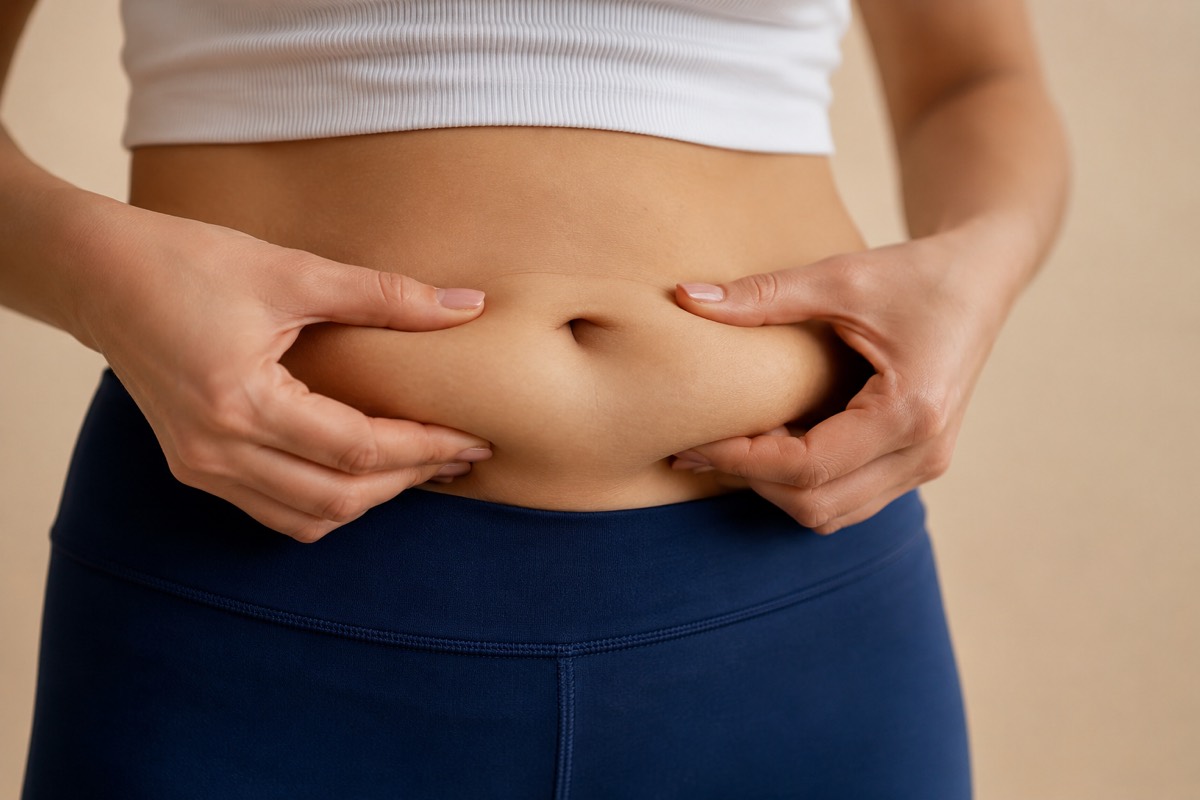
Bloating & Fullness
Best for
- New GLP-1 users
- Patients experiencing bloating or stomach pressure
- Individuals learning new fullness cues
Why It Happens
One of the primary ways GLP-1 medications work is by slowing stomach emptying. This allows food to remain in the stomach longer, helping increase feelings of fullness and reduce appetite.
As a result, many patients notice:
- Feeling full sooner
- Staying full longer
- Increased stomach pressure after meals
- Mild bloating
- Less desire to continue eating
These effects are often a sign that the medication is working. However, when food intake exceeds the stomach's new tolerance level, symptoms may become uncomfortable.
Common Triggers
Several factors commonly worsen bloating and fullness.
Examples include:
- Eating too much at one sitting
- Eating too quickly
- Large restaurant meals
- Carbonated beverages
- Fried foods
- High-fat meals
- Excessive fiber introduced too quickly
- Drinking large amounts of fluid during meals
Many patients discover that symptoms improve dramatically when they reduce portion sizes.
Prevention Strategies
One of the most effective strategies is learning to eat differently than you did before treatment.
Helpful habits include:
- Eat slowly
- Pause between bites
- Stop eating at the first sign of comfortable fullness
- Choose smaller portions
- Avoid "cleaning your plate" out of habit
- Consider smaller, more frequent meals if needed
PBMC Pro Tip
Many patients describe fullness as feeling "different" after starting GLP-1 therapy. Instead of waiting until you feel stuffed, learn to recognize early signs of satisfaction. The moment food becomes less appealing or you feel comfortably full is often your body's signal to stop eating.
Foods That May Help
Many people tolerate these foods well:
- Lean proteins
- Greek yogurt
- Eggs
- Oatmeal
- Rice
- Bananas
- Cooked vegetables
- Grilled chicken
- Fish
Simple meals are often easier to tolerate than large mixed meals.

Foods That May Worsen Symptoms
Some foods commonly contribute to bloating.
Examples include:
- Carbonated beverages
- Fried foods
- Fast food
- Heavy cream sauces
- Very large meals
- Excessively fatty foods
- Excessive alcohol
- Large quantities of raw vegetables introduced suddenly
Food triggers vary from person to person.
Simethicone
Examples:
- Gas-X
- Similar simethicone products
May help:
- Reduce gas-related discomfort
- Improve bloating caused by trapped gas
Hydration and walking often remain the most effective first-line strategies.
Digestive Support Strategies
Some individuals benefit from:
- Smaller meals
- Reduced meal fat content
- Avoiding carbonated beverages
- Reviewing fiber intake
These adjustments often provide more benefit than medications alone.
Third-line Options (Ongoing Discomfort)
If symptoms become persistent, severe, or interfere with normal eating, contact your healthcare professional. Medication timing, dosage adjustments, or further evaluation may be necessary.
Green Zone (No Symptoms)
Focus on:
- Portion awareness
- Slow eating
- Hydration
- Protein intake
- Regular movement

Yellow Zone (Mild Bloating)
Consider:
- Smaller meals
- Walking after meals
- Avoiding carbonated beverages
- Using simethicone if appropriate
Orange Zone (Moderate Discomfort)
Consider:
- Reviewing recent food choices
- Reducing portion sizes further
- Tracking potential triggers
- Speaking with your healthcare professional if symptoms persist
Red Zone
Contact your healthcare professional promptly if you experience:
- Severe abdominal pain
- Persistent vomiting
- Significant abdominal swelling
- Inability to tolerate food or fluids
- Symptoms that continue worsening
Understanding Fullness Vs. Problems
One of the most important skills during GLP-1 therapy is distinguishing normal fullness from problematic symptoms.
Normal fullness often feels like:
- Satisfaction after smaller portions
- Reduced hunger
- Less desire to continue eating
Problematic symptoms may include:
- Significant pain
- Persistent nausea
- Severe bloating
- Vomiting
- Inability to eat normally
Learning this difference can help you feel more confident and comfortable throughout treatment.
Key Takeaways
- Fullness is often a normal and expected effect of GLP-1 therapy.
- Eating too much is one of the most common causes of bloating.
- Smaller meals and slower eating often provide significant relief.
- Carbonated beverages and high-fat meals commonly worsen symptoms.
- Simethicone products may help gas-related bloating.
- Severe or persistent symptoms deserve medical evaluation.
Educational Disclaimer
This article is intended for educational and wellness purposes only. Individual experiences vary. The information provided is not intended to diagnose, treat, cure, or prevent any disease. Always consult your healthcare professional regarding questions about your medications, symptoms, or health concerns. Follow package directions for all over-the-counter products and discuss persistent symptoms with your healthcare professional.
Related Articles
Educational only — always discuss medication choices with your care team.