
Managing Reflux and Heartburn
Best for
- Patients experiencing reflux or heartburn
- New GLP-1 users
- Individuals increasing their medication dose
Why It Happens
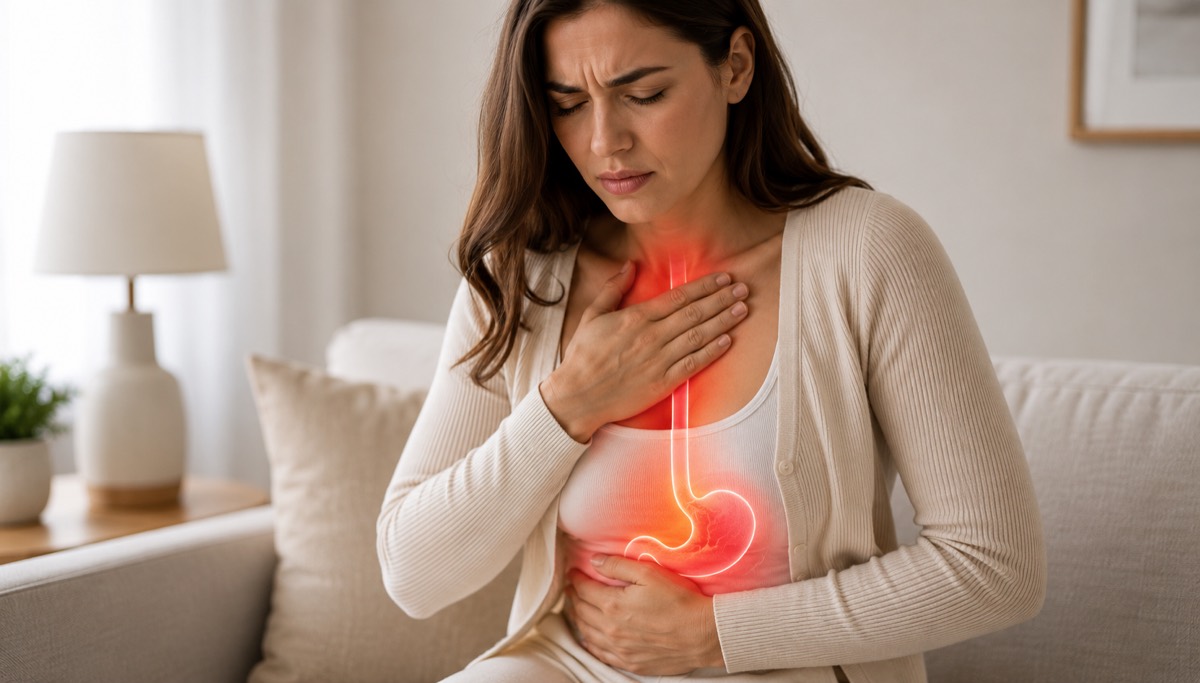
GLP-1 medications help reduce appetite and increase fullness by slowing stomach emptying. While this can support weight management goals, it may also increase pressure within the stomach and allow stomach contents to move upward into the esophagus.
This can lead to:
- Heartburn
- Acid reflux
- Burping
- Sour taste in the mouth
- Chest discomfort after eating
- Feeling overly full after meals
For many patients, symptoms are most noticeable when starting therapy or after a dose increase.
Common Triggers
Certain habits and foods commonly worsen reflux symptoms.
Examples include:
- Large meals
- Eating too quickly
- Eating late at night
- Lying down soon after eating
- Fried foods
- Greasy foods
- Heavy restaurant meals
- Alcohol
- Carbonated beverages
- Excessively spicy foods
Understanding your personal triggers is often one of the most effective ways to reduce symptoms.
Prevention Strategies
Most reflux symptoms improve when patients focus on reducing stomach pressure and avoiding overeating.
Helpful strategies include:
- Eat smaller meals
- Slow down while eating
- Stop eating when comfortably satisfied
- Avoid lying down for 2–3 hours after meals
- Eat dinner earlier in the evening when possible
- Stay hydrated
- Maintain regular physical activity
PBMC Pro Tip
One of the biggest mistakes patients make is continuing to eat after they are already full. GLP-1 medications create new fullness signals that many people are not used to recognizing. Learning to stop eating at the first sign of comfortable fullness can significantly reduce reflux, nausea, bloating, and belching.
Foods That May Help
Many patients tolerate these foods well:
- Oatmeal
- Bananas
- Rice
- Toast
- Applesauce
- Grilled chicken
- Turkey
- Fish
- Greek yogurt
- Cooked vegetables
Simple, lower-fat meals are often easier to tolerate than large, rich meals.

Foods That May Worsen Symptoms
Common triggers include:
- Fried foods
- Fast food
- Pizza
- Heavy cream sauces
- Fatty cuts of meat
- Excessive chocolate
- Excessive caffeine
- Carbonated beverages
- Alcohol
- Very spicy foods
Not everyone reacts the same way, but these foods frequently appear on reflux trigger lists.
Antacids
Examples:
- Calcium carbonate products (Tums)
- Similar OTC antacid products
May help:
- Neutralize stomach acid
- Provide temporary symptom relief
Lifestyle adjustments should still remain the foundation of treatment.
H2 Blockers
Examples:
- Famotidine (Pepcid)
May help:
- Reduce stomach acid production
- Improve symptom control
Follow package directions and discuss ongoing symptoms with your healthcare professional.
Third-line Options (Persistent or Recurring Symptoms)
Proton Pump Inhibitors (PPIs)
Examples:

- Omeprazole (Prilosec OTC)
- Esomeprazole (Nexium 24HR)
May help:
- Reduce acid production more significantly
These products are often used for recurring symptoms and should be used according to package instructions or professional guidance.
Green Zone (No Symptoms)
Focus on:
- Smaller meals
- Slow eating
- Hydration
- Regular activity
- Avoiding overeating
Yellow Zone (Mild Reflux)
Consider:
- Reviewing trigger foods
- Reducing portion sizes
- Avoiding lying down after meals
- Using OTC antacids if appropriate
Orange Zone (Frequent Symptoms)
Consider:
- Reviewing meal timing
- Discussing H2 blockers with your healthcare professional
- Evaluating dose-related patterns
Red Zone
Contact your healthcare professional promptly if you experience:
- Difficulty swallowing
- Persistent vomiting
- Severe chest pain
- Unexplained weight loss
- Black stools
- Symptoms that continue worsening
Key Takeaways
- Reflux is commonly related to slower stomach emptying and overeating.
- Smaller meals are often one of the most effective solutions.
- Avoid lying down shortly after eating.
- Fried, greasy, and high-fat foods commonly trigger symptoms.
- OTC medications may help when used appropriately.
- Persistent or severe symptoms deserve medical evaluation.
Educational Disclaimer
This article is intended for educational and wellness purposes only. Individual experiences vary. The information provided is not intended to diagnose, treat, cure, or prevent any disease. Always consult your healthcare professional regarding questions about your medications, symptoms, or health concerns. Follow package directions for all over-the-counter products and discuss persistent symptoms with your healthcare professional.
Related Articles
Educational only — always discuss medication choices with your care team.