
Restaurant Strategies
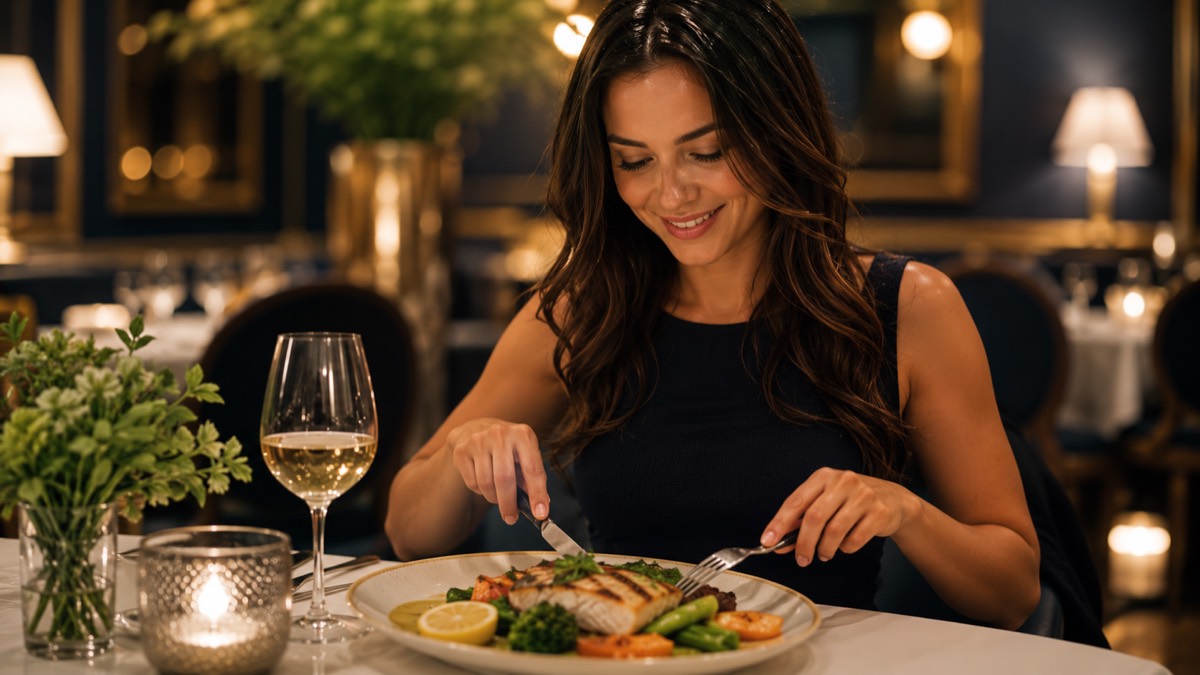
How to Eat Out Successfully While on GLP-1 Therapy
Best for
- New GLP-1 users
- Frequent restaurant diners
- Business travelers
- Social eaters
- Patients worried about eating out
The Biggest Restaurant Mistake
Many patients try to eat restaurant meals exactly the same way they did before starting GLP-1 therapy.
This often leads to:
- Nausea
- Reflux
- Bloating
- Sulfur burps
- Excessive fullness
- Regret after the meal
Remember:
Your appetite has changed. Your stomach capacity has changed. Your restaurant habits should change too.
PBMC Pro Tip
The most successful restaurant strategy is simple:
Order for the person you are now, not the person you used to be.
Many patients no longer need an entire entrée, appetizer, bread basket, drink, and dessert.
Step 1: Eat Protein First
Before touching anything else, focus on protein.
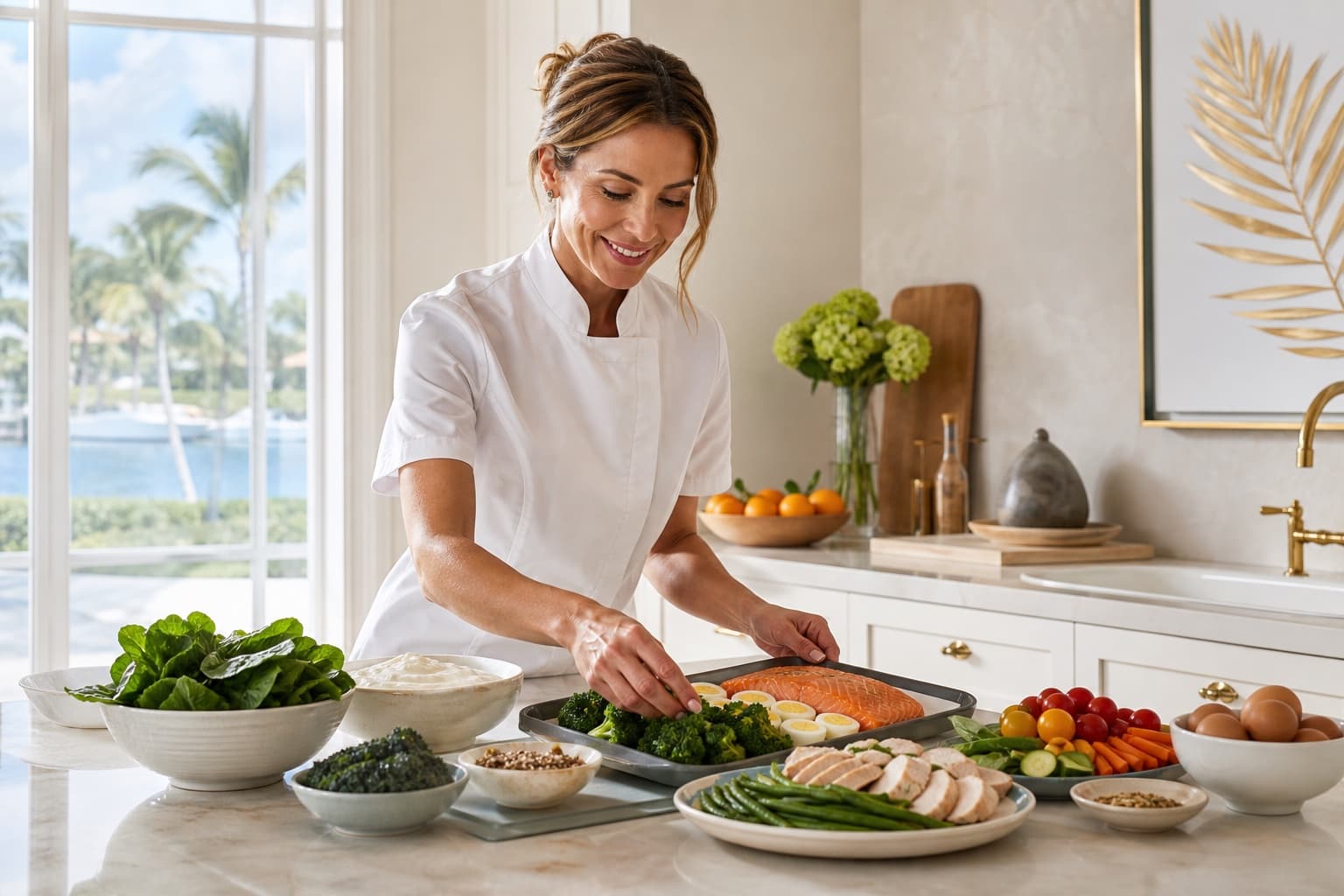
Good restaurant protein choices:
- Grilled chicken
- Salmon
- Shrimp
- Tuna
- Lean steak
- Turkey
- Fish tacos (grilled)
- Egg-based dishes
- Sashimi
- Grilled seafood
Protein helps:
- Improve fullness
- Support muscle preservation
- Reduce overeating
- Improve satisfaction
Step 2: Recognize Your New Fullness Signals
One of the most common reasons patients become sick after restaurant meals is simple:
They keep eating after their body says stop.
Watch for:
- Food becoming less appealing
- Slower eating
- Reduced interest in additional bites
- Comfortable satisfaction
Those are often your body's signals that you're done.
You do not need to finish the plate.
Step 3: Box Half Before You Start
One of the best restaurant strategies:
Ask for a to-go box immediately.
Many restaurant portions contain enough food for two or even three meals.
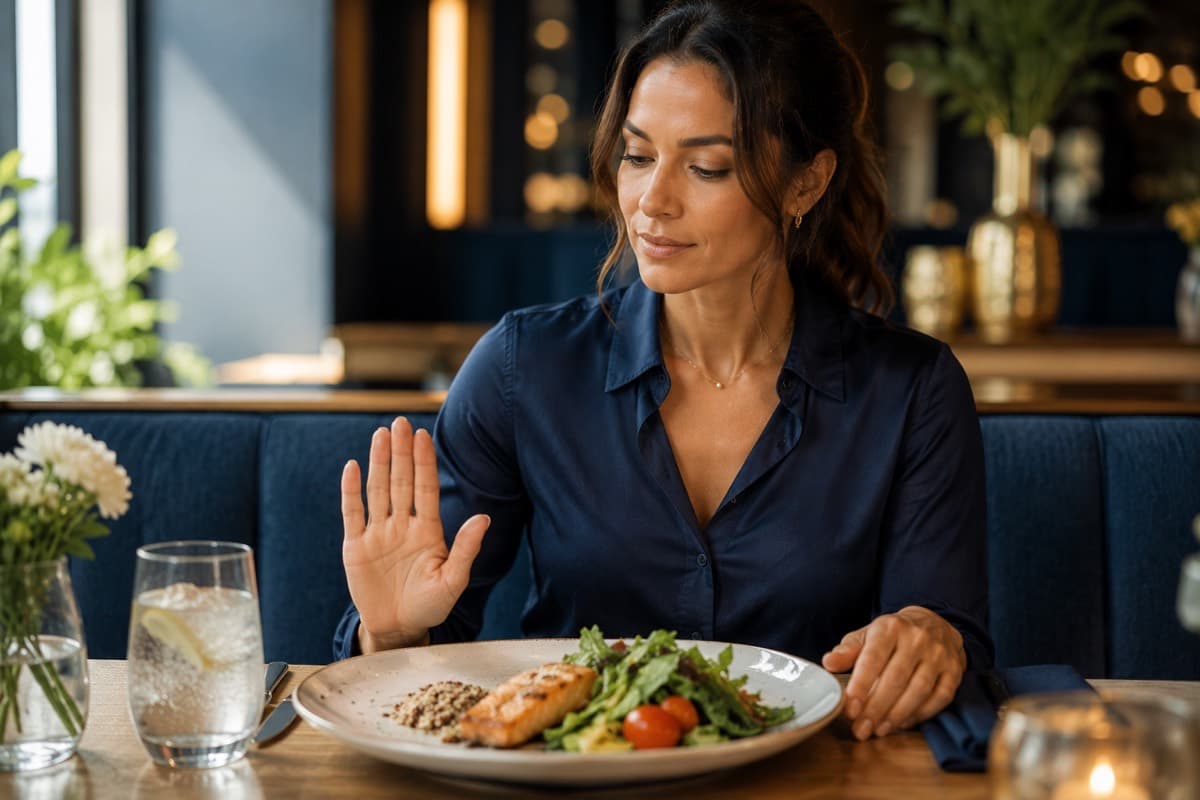
Try:
- Box half immediately
- Eat slowly
- Stop when satisfied
Step 4: Avoid Common Triggers
Common triggers include:
- Fried foods
- Heavy cream sauces
- Greasy foods
- Excessively spicy foods
- Large desserts
- Unlimited bread baskets
- Bottomless chips
- Large pasta dishes
These foods frequently contribute to:
- Reflux
- Nausea
- Sulfur burps
- Bloating
What To Order At Popular Restaurants
Steakhouse
Good Choices:
- Filet mignon
- Sirloin
- Grilled salmon
- Shrimp cocktail
- Asparagus
- Side salad
Italian Restaurant
Good Choices:
- Grilled chicken dishes
- Seafood dishes
- Meatballs
- Grilled fish
- Side vegetables
Mexican Restaurant
Good Choices:
- Fajitas
- Grilled chicken
- Grilled shrimp
- Carne asada
- Burrito bowl
- Taco salad
PBMC Tip: Order fajitas and focus on the protein first.
Sushi Restaurant
Excellent Choices:
- Sashimi
- Tuna
- Salmon
- Edamame
- Seaweed salad
Breakfast Restaurants
Excellent Choices:
- Eggs
- Omelets
- Turkey sausage
- Fruit
- Greek yogurt
Fast Casual Restaurants
Examples:
- Chipotle
- Cava
- Fresh Kitchen
- Bolay
Excellent Choices:
- Protein bowls
- Double protein
- Vegetables
- Salad bases
- Smaller portions of rice
Alcohol At Restaurants
Alcohol may worsen:
- Dehydration
- Nausea
- Reflux
- Poor food decisions
If you drink:
- Stay hydrated
- Drink slowly
- Pay attention to tolerance changes
Navigating Social Pressure
You may hear:
- "You're barely eating."
- "Have another bite."
- "You always loved this."
- "You're no fun anymore."
Simple responses:
- "I'm full."
- "I'm taking the rest home."
- "That was great."
The PBMC Restaurant Checklist
Before the meal:
- Review menu ahead of time
- Decide on protein
- Plan portions
During the meal:
- Eat slowly
- Protein first
- Stop at satisfaction
- Box leftovers
After the meal:
- Avoid judging yourself
- Focus on consistency
Key Takeaways
- Restaurants can absolutely fit into a successful GLP-1 journey.
- Protein should be your first priority.
- Most restaurant portions are larger than you need.
- Take leftovers home.
- Learn your new fullness signals.
- Avoid overeating just because food is available.
- Consistency matters more than perfection.
Educational Disclaimer
This article is intended for educational and wellness purposes only. Individual experiences vary. The information provided is not intended to diagnose, treat, cure, or prevent any disease. Always consult your healthcare professional regarding questions about your medications, nutrition plan, exercise program, or health concerns.
Related Articles
Educational only — always discuss medication choices with your care team.