
Why Hydration Is Critical
Hydration
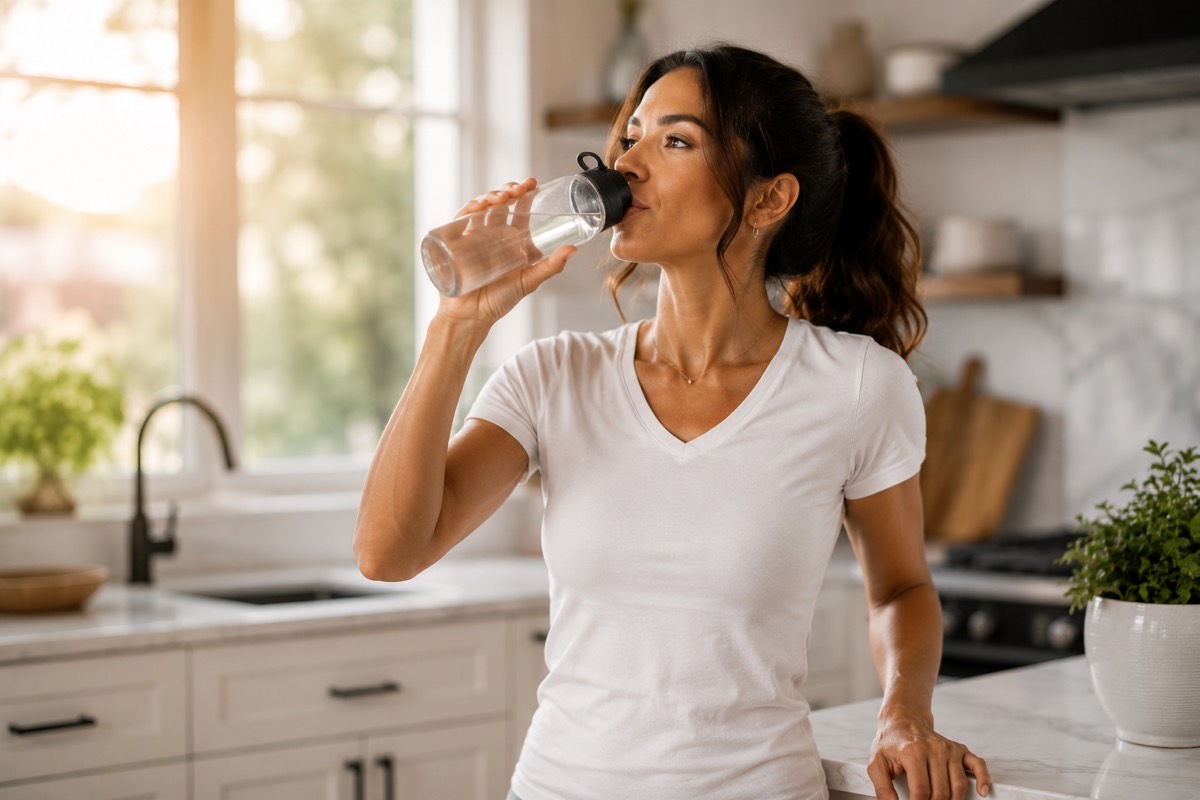
When your appetite is suppressed, your desire to drink fluids often decreases along with your hunger. This makes dehydration a significant risk on GLP-1 medications — and dehydration worsens almost every side effect you might experience.
Your hydration goal: 64 oz (8 cups) of water per day minimum. Your care team may recommend more.
Tips for staying hydrated:
- Drink small amounts consistently throughout the day rather than large amounts at once
- Add lemon slices, cucumber, mint, or a splash of fruit juice to plain water if it's unappealing
- Herbal teas and warm broths count toward your fluid goal
- Broth is especially valuable — it provides both hydration and electrolytes
- Limit caffeine, which has a mild diuretic effect
- Avoid carbonated drinks — they cause bloating and may decrease total fluid intake
Signs of dehydration to watch for:

- Dark yellow or amber urine (pale yellow is the goal)
- Dizziness or lightheadedness, especially when standing
- Headache that doesn't respond to rest
- Fatigue or brain fog
- Dry mouth or lips
- Decreased urination
When to seek urgent care: Significant dehydration — extreme dizziness, inability to keep fluids down, weakness, fainting, or inability to urinate for 8+ hours — requires medical attention. Contact your care team or seek urgent care.
Key takeaways:
- 64 oz minimum daily — more if active or in warm weather
- Small sips throughout the day work better than large amounts at once
- Broth, herbal tea, and infused water count toward your goal
- Dark urine is your first warning sign
Educational only — always discuss medication choices with your care team.