
Exercise & Resistance Training

Best for
- New GLP-1 users
- Patients focused on body composition
- Individuals concerned about muscle loss
- Anyone beginning an exercise program
Why Exercise Matters
Many people begin GLP-1 therapy focused primarily on the scale.
While weight loss is important, body composition often matters even more.
Body composition refers to:
- Body fat
- Muscle mass
- Bone mass
- Water content
The goal is not simply to become lighter. The goal is to become healthier while preserving strength and function.
Why Muscle Matters
Muscle plays an important role in:
- Physical strength
- Mobility
- Balance
- Metabolism
- Recovery
- Healthy aging
Unfortunately, muscle loss can occur during weight loss if protein intake and exercise are neglected.
PBMC Pro Tip
Many patients focus heavily on cardio because they want to burn calories. However, resistance training is often even more important during GLP-1 therapy because it helps preserve the muscle that supports long-term metabolic health.
Understanding Resistance Training
Resistance training simply means challenging your muscles against resistance.
Examples include:
- Weight machines
- Dumbbells
- Barbells
- Resistance bands
- Bodyweight exercises
The goal is not necessarily to become a bodybuilder.
The goal is to send a signal to your body that your muscles are still needed.
The Benefits Of Resistance Training
Resistance training may help support:
- Muscle preservation
- Strength improvements
- Improved body composition
- Functional fitness
- Confidence
- Long-term weight maintenance
Many patients report feeling better physically and mentally when strength training becomes part of their routine.
What About Cardio?
Cardiovascular exercise remains valuable.
Examples include:

- Walking
- Cycling
- Swimming
- Jogging
- Hiking
Cardio supports:
- Heart health
- Endurance
- Calorie expenditure
- Overall wellness
The most successful long-term programs often include both resistance training and cardiovascular activity.
Starting Simple
One of the biggest mistakes people make is trying to do too much too soon.
Examples of beginner-friendly options:
- Walking three to five times per week
- Two to three strength-training sessions weekly
- Bodyweight exercises
- Resistance bands
- Basic machine workouts
Consistency is far more important than perfection.
Protein And Muscle Preservation
Exercise and protein work together.
Without adequate protein intake, your body has fewer resources available to maintain muscle tissue.
This is why Protein-First Nutrition is such an important companion article to this topic.
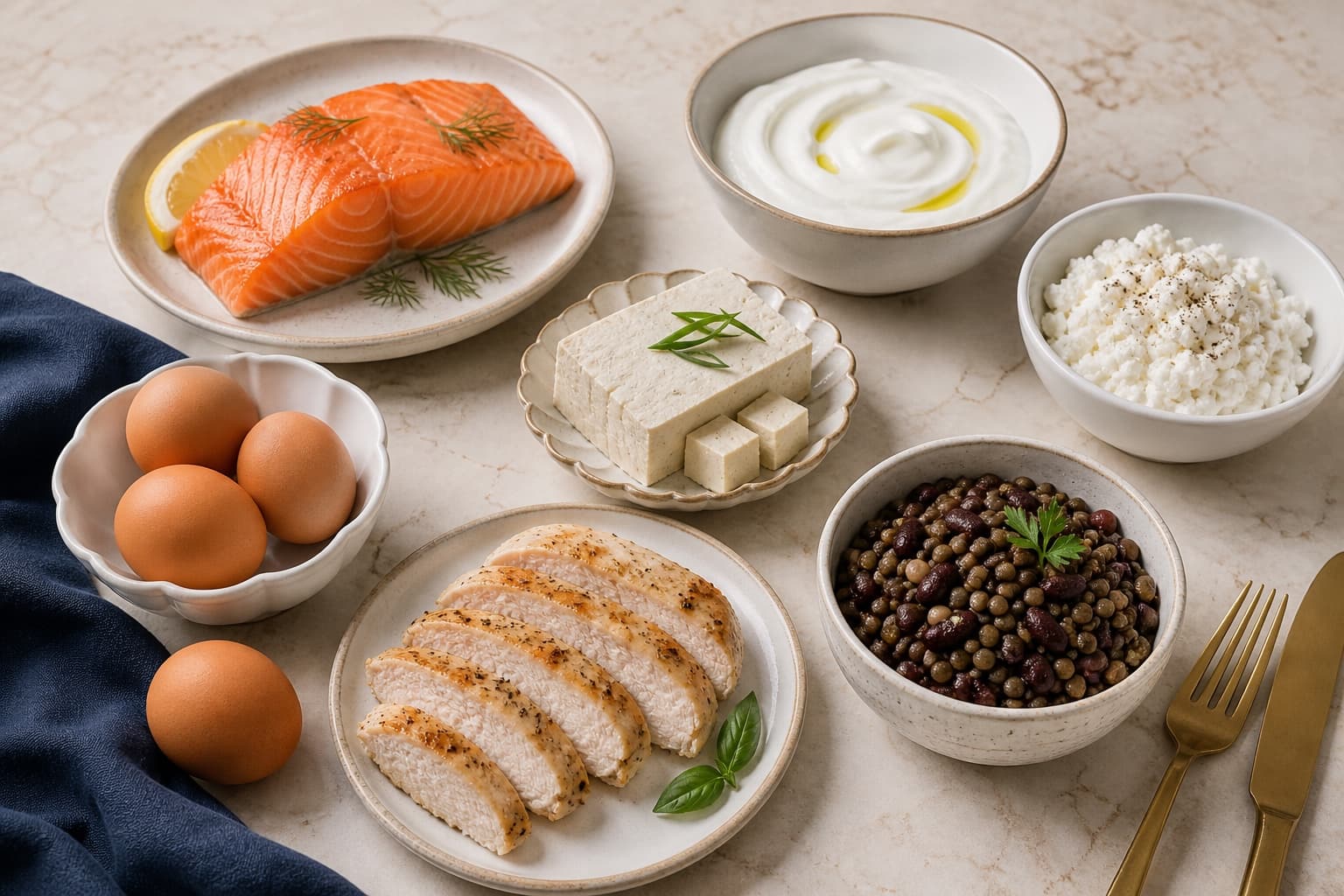
Examples of protein-rich foods include:
- Chicken
- Fish
- Eggs
- Greek yogurt
- Cottage cheese
- Protein shakes
Common Exercise Mistakes
Examples include:
- Doing only cardio
- Avoiding strength training
- Exercising aggressively without recovery
- Not eating enough protein
- Comparing yourself to others
- Starting too intensely
Small, sustainable habits typically produce better long-term outcomes.
Green Zone (Beginning)
Focus on:
- Walking regularly
- Learning proper exercise technique
- Building consistency
- Improving hydration
Yellow Zone (Building Momentum)
Consider:
- Adding resistance training
- Increasing activity gradually
- Prioritizing recovery
Orange Zone (Plateauing)
Consider:
- Increasing workout intensity gradually
- Reviewing protein intake
- Tracking progress beyond the scale
Red Zone
Discuss your exercise plan with your healthcare professional if:
- You have significant medical concerns
- Exercise causes unusual symptoms
- You experience chest pain, severe shortness of breath, or concerning symptoms during activity
The Long-Term View
The most successful patients are not necessarily the ones who lose weight the fastest.
Often, they are the individuals who:
- Preserve muscle
- Build strength
- Develop sustainable habits
- Remain active long-term
Exercise should not be viewed as punishment.
It should be viewed as an investment in future health, strength, and quality of life.
Key Takeaways
- Resistance training helps preserve muscle during weight loss.
- Muscle preservation supports long-term metabolic health.
- Cardio and strength training both have important roles.
- Protein intake and exercise work together.
- Consistency matters more than perfection.
- Long-term success depends on sustainable habits.
Educational Disclaimer
This article is intended for educational and wellness purposes only. Individual experiences vary. The information provided is not intended to diagnose, treat, cure, or prevent any disease. Always consult your healthcare professional regarding questions about your medications, exercise program, nutrition plan, or health concerns.
Related Articles
Educational only — always discuss medication choices with your care team.